
Why Dental Implants Appeal to Patients Seeking Lasting Results
Dental implants have swiftly gained popularity as a preferred choice for tooth replacement among patients. Traditional dental solutions, like dentures and bridges, often fall short in terms of durability, stability, and everyday comfort. In contrast, dental implants offer a more durable and comfortable alternative, appealing significantly to those seeking lasting results. The science behind dental implants has evolved greatly, offering structural advantages that traditional solutions cannot compete with. As awareness grows, more people are considering implants for sustaining their oral health, protecting facial harmony, and improving the quality of their lives. Patients also appreciate the confidence that comes from having a restoration that closely resembles natural teeth in both appearance and function.
Understanding Dental Implants and Their Biological Foundations
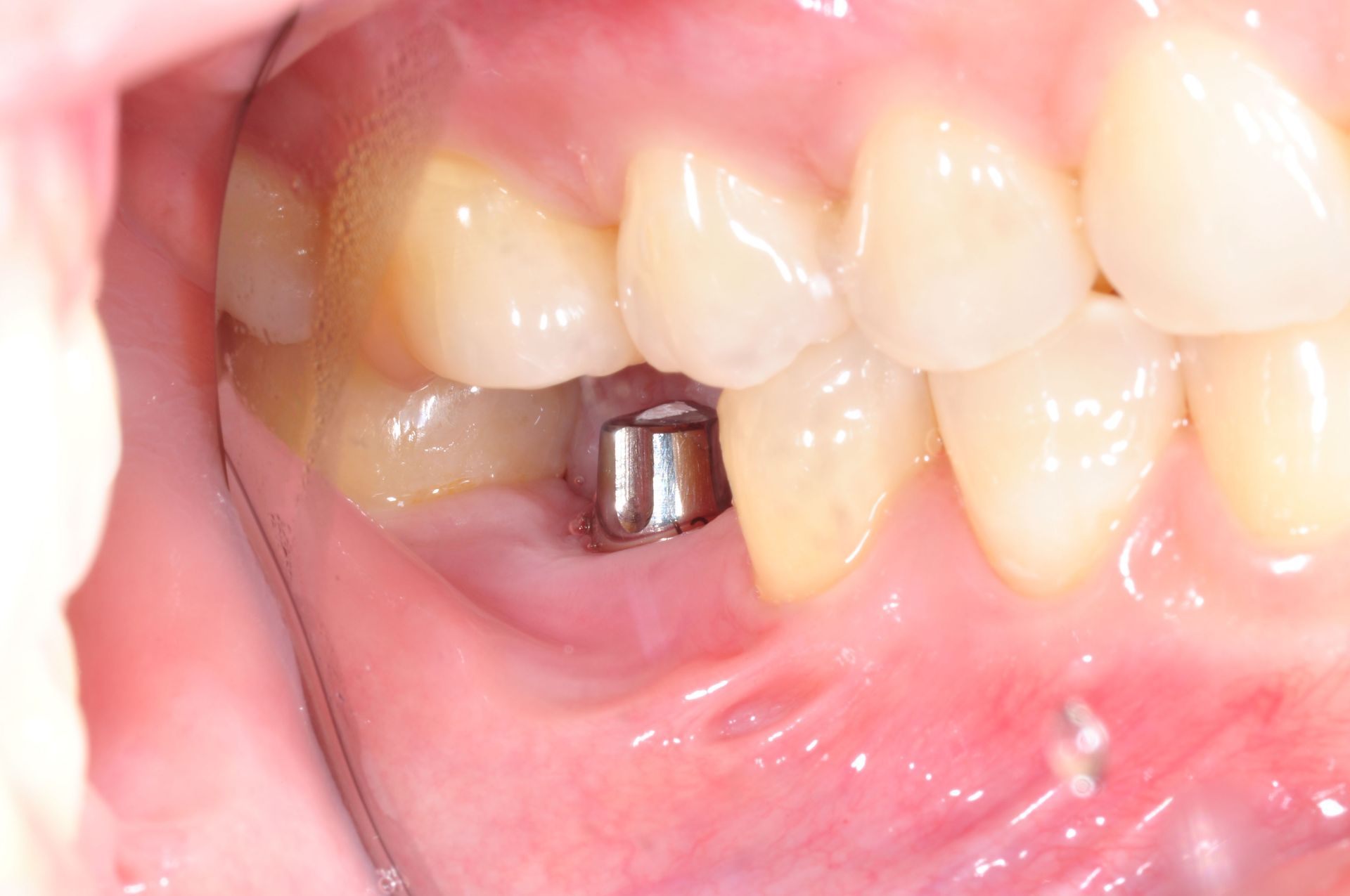
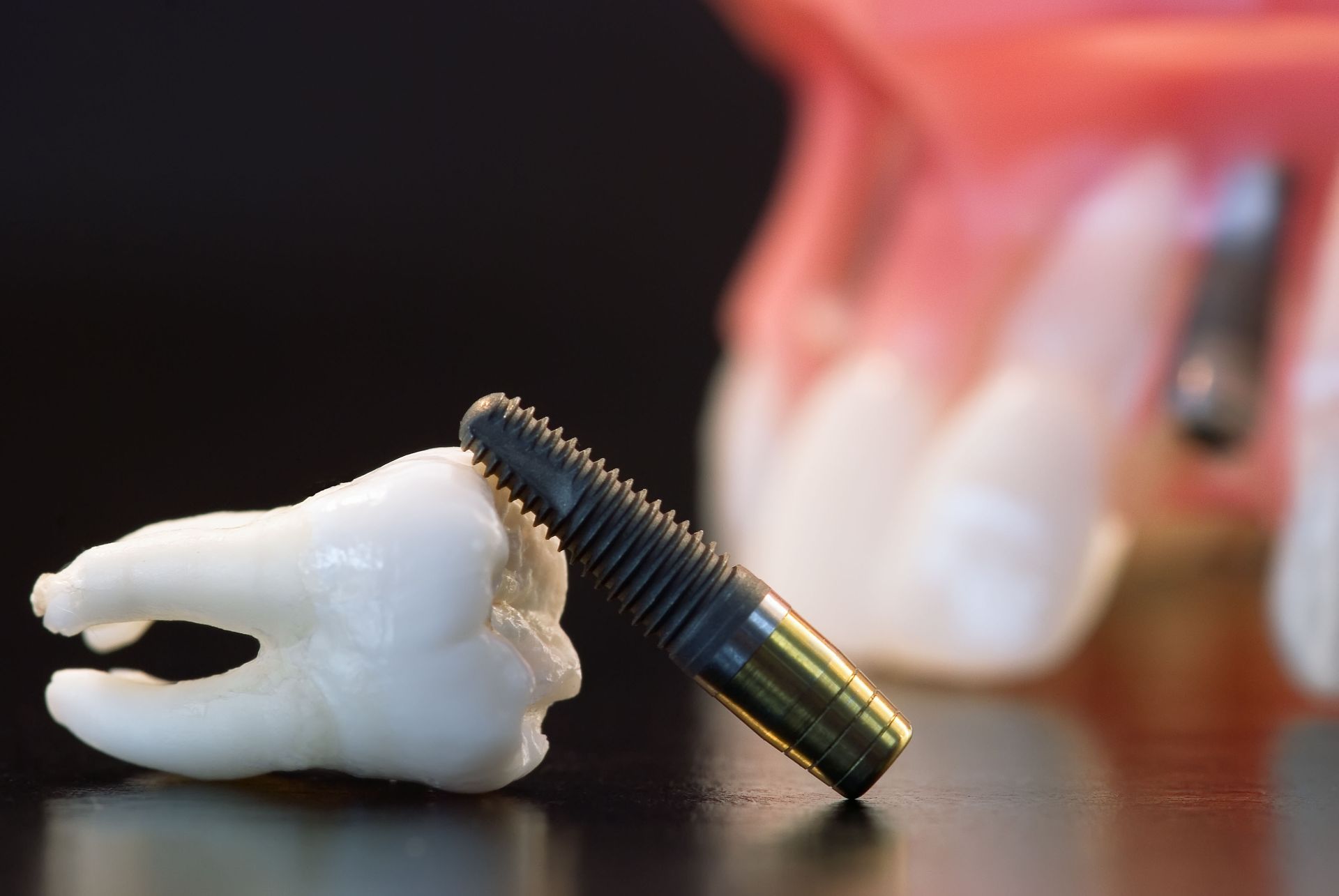
Dental implants are artificial structures placed into the jawbone to replace missing teeth, serving as a stable base for supporting one or more prosthetic components like crowns, bridges, or dentures. The process involves surgically inserting a titanium post into the jawbone, which then fuses with the bone over time. This architectural design is composed of three primary pieces: the implant screw itself, the abutment that connects the components, and the final custom crown. These pieces work in harmony to mimic the physical function and appearance of natural teeth, creating a seamless replication of your natural anatomy. Modern implant technology also allows for highly customized treatment plans that address each patient's unique restorative goals.
The core biological mechanism driving the success of dental implants is osseointegration. Discovered in 1952 by Dr. Per-Ingvar Brånemark, this process refers to the direct structural and functional connection between living bone tissue and the surface of a load-bearing titanium fixture. When a well-integrated implant distributes chewing forces effectively, it prevents the bone loss that naturally occurs after tooth loss, preserving jaw integrity. Depending on individual bone density, practitioners choose between endosteal implants placed directly into the bone, or subperiosteal alternatives positioned under the gum line, ensuring that every unique anatomical profile receives the proper foundation for stability. This personalized approach contributes significantly to long-term treatment success.
Maximizing Lifetime Durability and Restoring Oral Functionality
Among the primary benefits of dental implants, their exceptional longevity stands out as a primary decision factor for patients. Constructed from biocompatible titanium, these devices resist decay and can last a lifetime when maintained with proper oral hygiene and routine professional cleanings. Unlike traditional bridges that require structural modification and grinding down of adjacent teeth, or dentures that require frequent refitting due to shifting bone, implants offer a standalone, permanent structural treatment. This permanence makes them an incredibly cost-effective long-term asset for dental health, eliminating the need for periodic replacements. Many patients find that the reliability of implants reduces future concerns about unexpected dental complications.
Furthermore, dental implants fully restore natural biting, chewing, and speaking capabilities to their original strength. Traditional removable prosthetics often slip out of place, affect speech clarity, or cause tissue irritation, but implants provide an anchored foundation that eliminates mobility issues. Because they behave exactly like natural teeth, patients can maintain a diverse, nutrient-rich diet without restriction, which directly aids overall digestion and systemic health. This seamless structural integration gives individuals complete peace of mind during daily activities, rigorous exercise, and social interactions. The ability to eat favorite foods comfortably is often one of the most appreciated benefits among implant recipients.
Navigating the Surgical Process and Alleviating Patient Anxiety
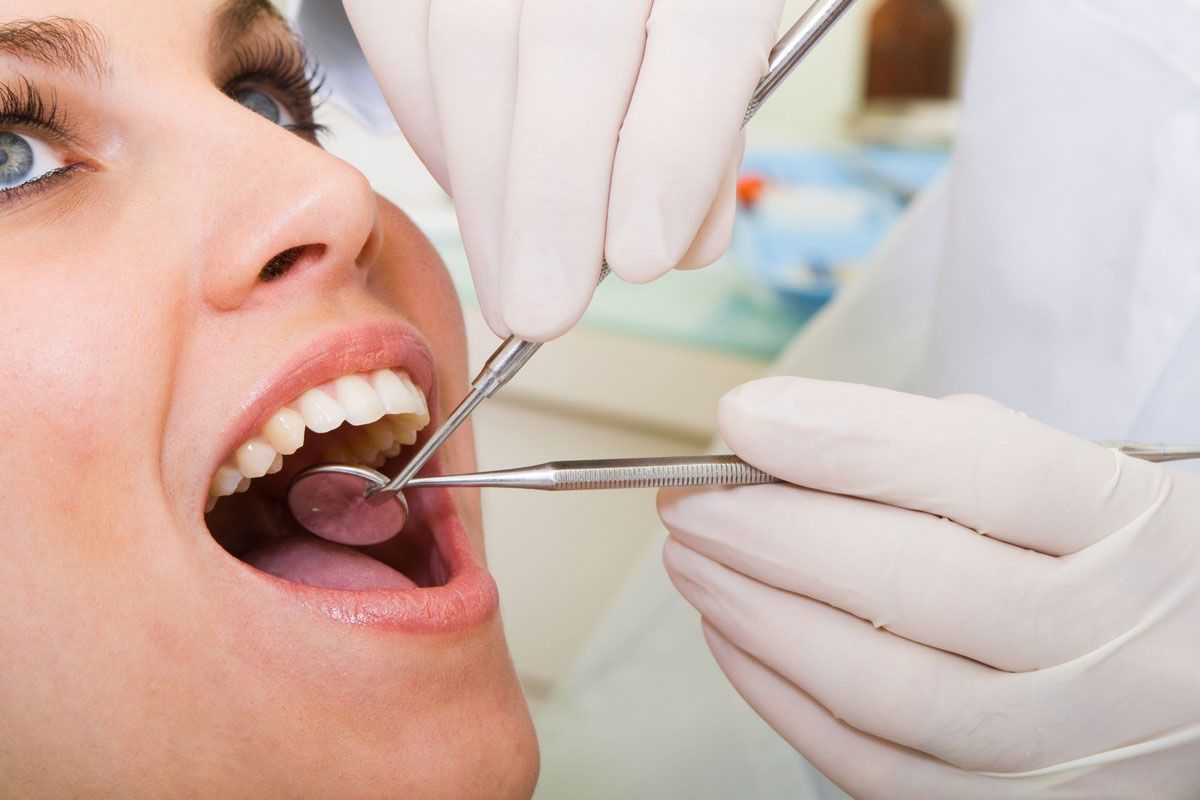
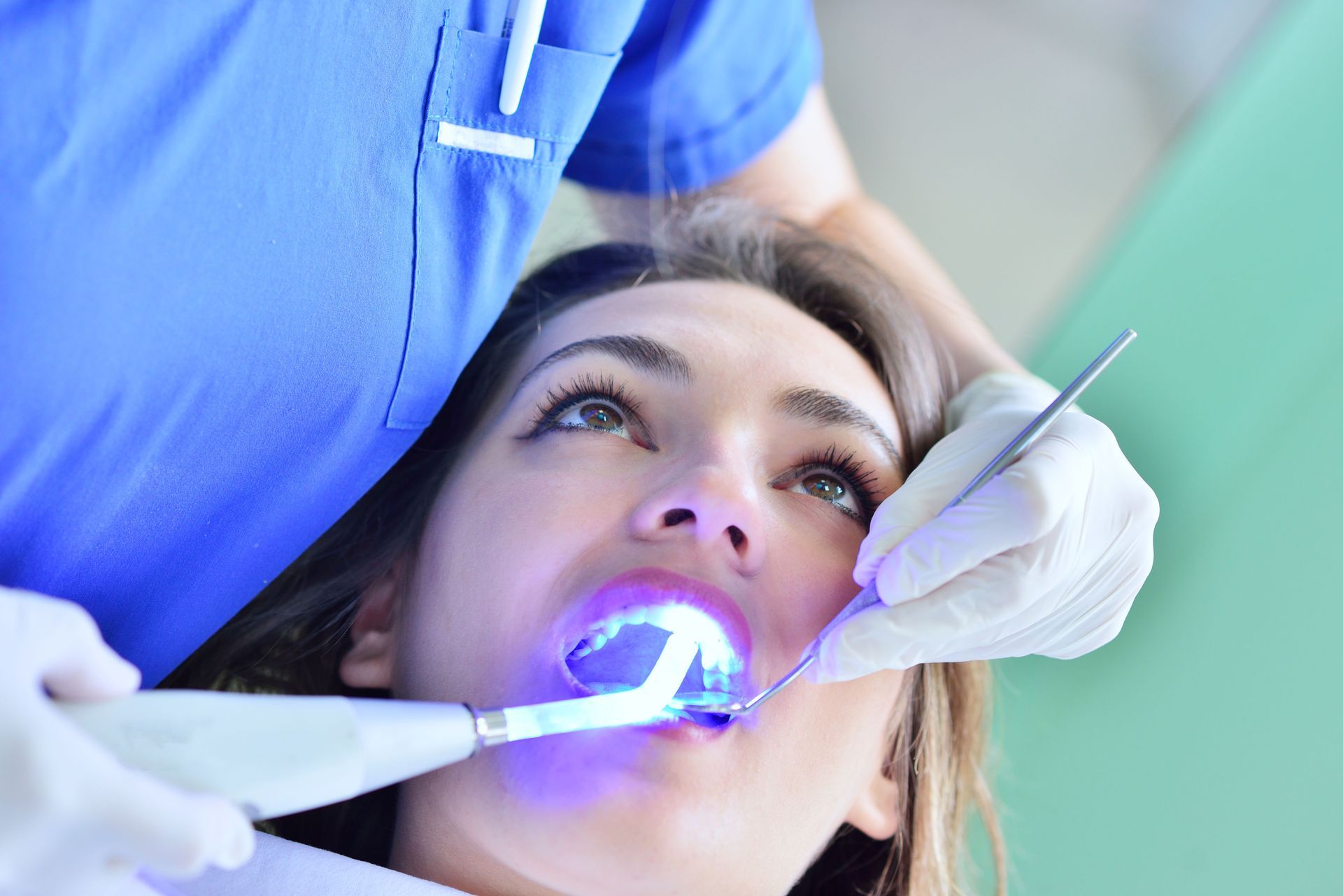
The journey toward structural restoration begins with an initial clinical assessment. During this phase, professionals evaluate bone density and structural volume using advanced 3D imaging to map the precise positioning of the titanium post. This phase is also critical for addressing patient comfort, understanding individual medical histories, and setting clear expectations. According to a Forbes Health survey, 38 percent of participants admitted that they experience some level of apprehension or fear when it comes to visiting a dentist's office. Detailed pre-operative education and clear communication during this step help mitigate anxiety, transforming a daunting surgical prospect into a predictable health journey. Patients are encouraged to ask questions and discuss concerns to feel fully prepared before treatment begins.
Following the preparatory phase, the surgical placement is executed under local anesthesia or targeted sedation to guarantee total patient relaxation and eliminate surgical discomfort. The clinician creates a precise channel in the bone to house the titanium post, securing it beneath the gum line to facilitate undisturbed healing. Over the subsequent months, the patient enters the recovery phase where osseointegration occurs, acting as the biological cornerstone for the entire procedure. Once solid fusion is verified by the clinical team, the final custom crown is anchored to the abutment, completing the physical transformation and delivering a beautifully balanced, fully functioning smile. Follow-up appointments during healing allow providers to monitor progress and address any concerns promptly.
Analyzing Financial Value and Long-Term Cost Efficiency
While the upfront cost of treatment is higher than traditional alternatives, dental implants represent a highly efficient financial investment over time. The initial price reflects specialized surgical expertise, advanced diagnostic imaging, and medical-grade biocompatible materials built to withstand incredible force. When evaluated as a multi-decade health asset rather than an immediate expense, the value proposition becomes clear. Alternative treatments often require ongoing adjustments, specialized cleaning solutions, messy adhesives, and eventual replacement, creating compounding expenses over time that frequently exceed the initial cost of an implant. This makes implants an attractive option for individuals focused on long-term value rather than short-term savings.
By preventing jawbone resorption and maintaining facial muscle support, implants protect the surrounding dentition from shifting, lowering future treatment needs. Insurance coverage varies across different providers, but many modern financing plans allow patients to distribute the initial cost over manageable, interest-free monthly installments. When evaluating lifetime utility, freedom from dietary restrictions, and the prevention of secondary bone loss, dental implants consistently deliver the highest return on investment compared to any other restorative dental procedure available today. Their durability often translates into fewer unexpected dental expenses throughout a patient's lifetime.
Mitigating Clinical Risks Through Proactive Patient Lifestyle Choices
Though success rates for dental implants consistently exceed 95 percent, understanding potential complications is necessary for securing an optimal long-term outcome. Risks such as localized infection, nerve irritation, or inadequate bone integration can arise if proper protocols are neglected. These risks are heavily managed through detailed pre-operative planning and by partnering with a highly skilled surgical professional. A qualified clinician customizes the surgical protocol to match the specific anatomical boundaries of the patient, significantly reducing baseline risks and optimizing the healing environment. Careful screening and ongoing monitoring further improve the predictability of treatment outcomes.
Patient behavior and daily routine choices are equally vital to the structural survival of the implant over the decades. Smoking, poorly managed systemic conditions like diabetes, and inadequate daily hygiene can impair tissue healing and compromise the vital bone-to-implant bond. Adopting a nutritious diet, committing to thorough daily flossing, and attending routine professional cleanings ensure that the surrounding gum tissue remains free from destructive inflammation. Through a combination of precise clinical execution and diligent home care, patients can ensure their restoration remains healthy for decades to come. Consistent maintenance not only protects the implant itself but also supports the health of neighboring teeth and gum tissue.
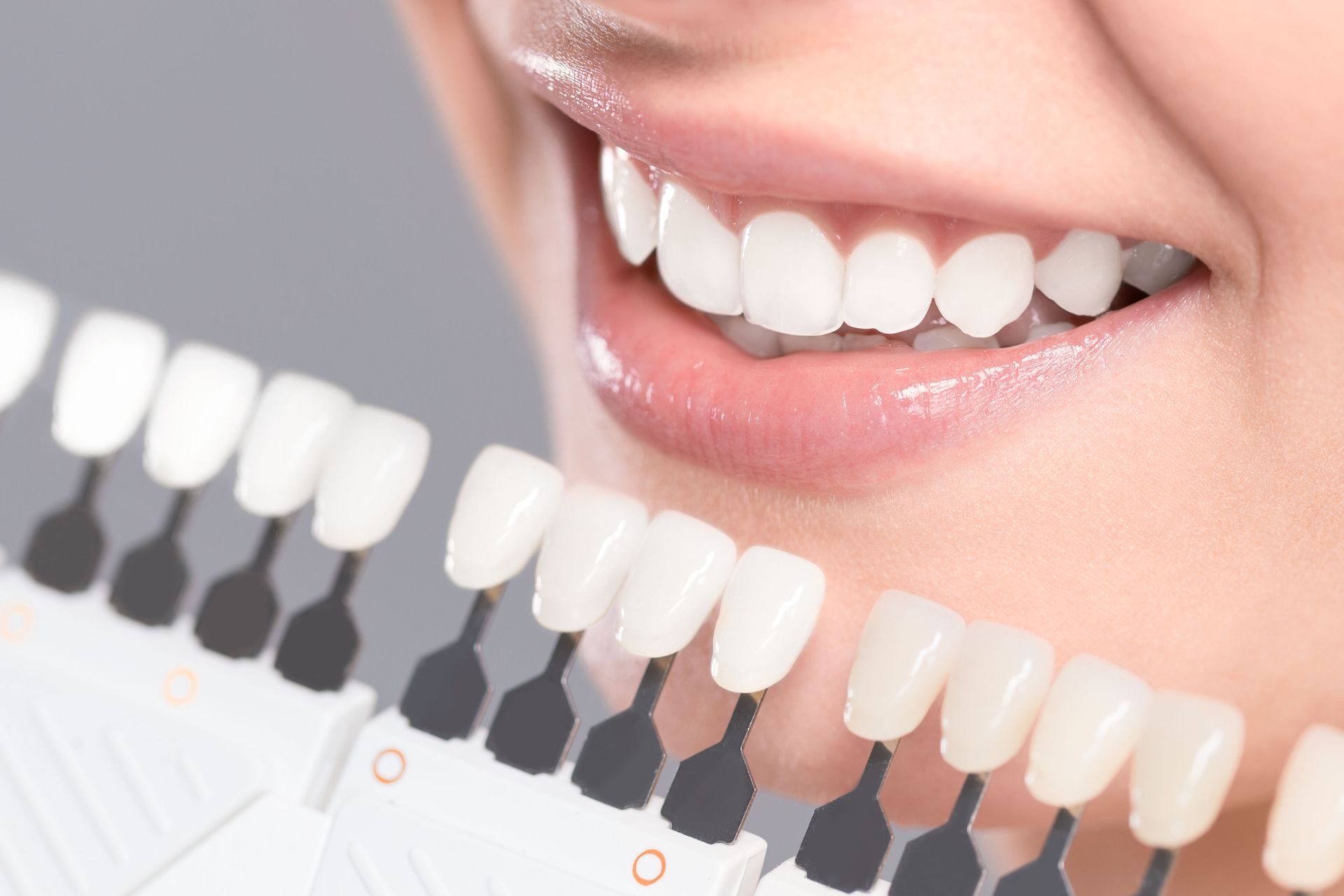
Choosing dental implants represents a definitive step toward reclaiming a healthy, functional smile that lasts. Their unique ability to preserve bone structure, combined with unmatched stability and aesthetic precision, makes them the premier choice for modern tooth replacement. By blending advanced clinical engineering with customized patient care, this treatment addresses both physical wellness and personal confidence. Patients often report improvements in self-esteem, comfort, and overall quality of life after completing treatment. For more information about the services that we offer, reach out to our incredible team at Eagle River Smiles today!




Share On: